Statistics & comparisons
Country statistics, ranked
Six lenses on the world's 250 countries — from the largest landmasses to the most crowded city-states. Every ranking is generated server-side from the same open dataset that powers our country profiles.
Quick podiums
The top three, at a glance
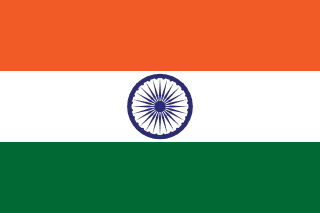
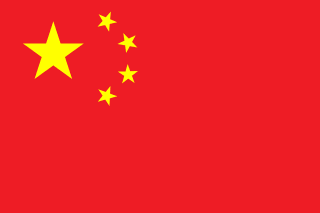
Most populous

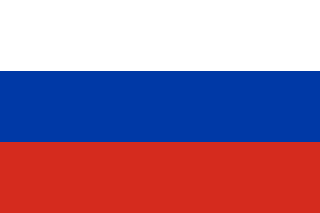
Largest by area
Six rankings
Browse all comparison pages
Each ranking is a standalone, sortable page. Tap a card to open the full list.
-
Largest countries by area
The biggest sovereign states on Earth, ranked from Russia's vast Eurasian landmass downward.
View ranking -
Most populous countries
Where the world's 8 billion people actually live — ranked from largest population to smallest.
View ranking -
Smallest countries by area
Microstates, city-states, and miniature island nations of under 1,000 km².
View ranking -
Highest population density
Where land is scarcest and cities most concentrated, measured in people per square kilometre.
View ranking -
Island nations
Countries with no land borders — sovereign archipelagos and isolated peninsulas.
View ranking -
Landlocked countries
Sovereign states with no coastline of their own — interior nations from Bolivia to Bhutan.
View ranking
How these rankings work
Every list on Coaster Atlas is built from the same JSON dataset of 250 countries that powers our individual profiles, so the numbers always match. Population figures use the most recent estimate available in the source dataset and may differ slightly from the headline number on a national statistics agency's homepage.
Area figures use the country's total land area in square kilometres, including inland waters but excluding overseas territories administered separately. Density is computed simply as population divided by area; for very sparsely populated countries with large uninhabitable regions (deserts, ice sheets, high mountains) the headline density may understate the lived experience of crowding in the inhabited zones.
For the methodology behind border classification, the definition of "landlocked", and how we handle disputed or partially-recognised states, see the methodology page.