Subregion · part of Europe
Southeast Europe
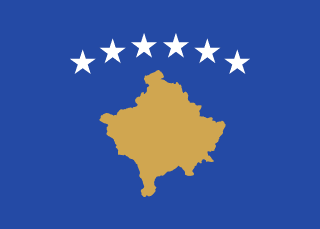
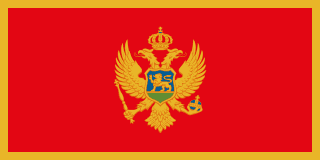
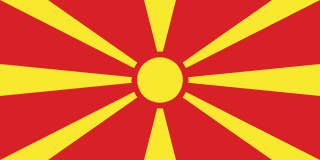
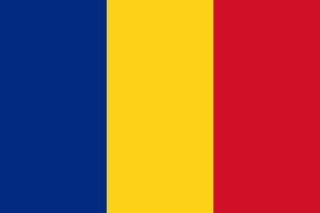
Country-by-country guide to Southeast Europe: capitals, flags, borders, area, and population for every nation in this UN subregion of Europe.
9 countries
45,724,226 people
613,843 km² total land area
Southeast Europe, sometimes called the Balkans, is a mountainous mosaic of Slavic, Romance, Albanian, and Greek-speaking states. The subregion has reshaped its borders repeatedly over the last century and remains culturally and linguistically diverse.
Use this page as an entry point into the subregion. Skim the table below for an at-a-glance comparison, then click any country to read the full editorial profile — capital, flag, official languages, currencies, bordering states, an embedded OpenStreetMap viewport, and links to high-resolution map services.
| 2,363,314 | |
| 3,422,000 | |
| 6,437,360 | |
| 3,866,233 | |
| 1,585,566 | |
| 623,327 | |
| 1,822,612 | |
| 19,036,031 | |
| 6,567,783 |